The idea of earning a living from home has moved far beyond a temporary trend. What was once seen as a side project or a short-term solution has evolved into a permanent shift in how people structure their careers, manage their time, and define professional success. Advances in technology, changes in consumer behavior, and a growing desire for flexibility have all contributed to the rise of entrepreneurship that begins and operates at home. As more individuals explore this path, the definition of work itself continues to expand in new and unexpected ways.
Running a home business allows people to reimagine their relationship with work. Instead of commuting, rigid schedules, and centralized offices, individuals are creating professional lives that integrate more naturally with personal responsibilities and long-term goals. This shift is influencing everything from local economies to family dynamics, while also opening doors to creative and service-based opportunities that previously required significant overhead.
As this model grows, it is reshaping how services are delivered, how products are sourced, and how value is created within communities. The following sections explore how running a home business is changing the way people work by examining key areas where this transformation is most visible.
Redefining Work-Life Integration Through Flexible Operations
One of the most significant changes driven by the rise of the home business model is the shift from strict work-life separation to a more integrated approach. Traditional employment often required workers to physically leave their personal lives behind for a set number of hours each day. In contrast, operating a business from home encourages a structure where professional responsibilities can be balanced alongside family needs, personal health, and household management.
This flexibility allows individuals to design work schedules that align with their most productive hours. Some people work early mornings, others late evenings, and many split their time throughout the day. This autonomy can lead to higher job satisfaction and reduced burnout, especially for those who previously struggled with rigid corporate environments. Parents, caregivers, and individuals managing health conditions often find that a home business provides a sustainable way to remain professionally active without sacrificing personal priorities.
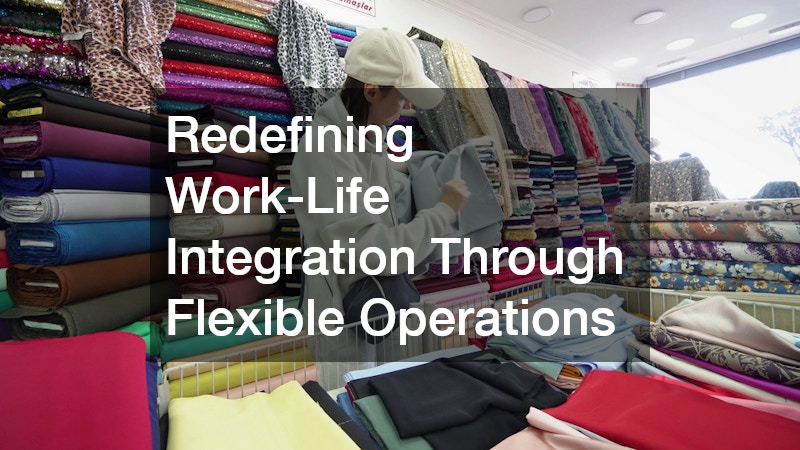
The impact of this flexibility extends beyond the individual. Communities benefit when residents are more present locally, supporting neighborhood services and participating in local activities. In many cases, people running businesses from home rely on nearby suppliers, such as local fabric stores, to source materials or inspiration. This localized approach reinforces community connections while reducing dependence on large, centralized supply chains.
Work-life integration also encourages a reevaluation of productivity. Instead of measuring success by hours logged, home-based entrepreneurs focus on outcomes, efficiency, and value delivered. This mindset is gradually influencing broader workplace expectations, as companies recognize the benefits of flexibility demonstrated by those successfully operating from home. As more people adopt this model, the concept of work becomes less about location and more about purpose. The home business is no longer seen as an alternative path but as a viable and often preferable way to build a meaningful career.
Shifting Skill Development and Professional Identity
Running a home business requires individuals to wear multiple hats, often blending creative, technical, and administrative skills into a single role. This necessity is reshaping how people think about professional identity. Instead of defining themselves by a single job title, home-based entrepreneurs develop diverse skill sets that evolve with their business needs.
This environment encourages continuous learning. Someone who begins with a creative service may quickly learn marketing, customer communication, and financial management out of necessity. Over time, these combined skills create a more resilient professional profile, one that can adapt to market changes and shifting consumer demands. The result is a workforce that values versatility and self-direction over narrow specialization.
Many home-based professionals also find opportunities in service-oriented fields that once required physical storefronts or large teams. For example, offering screen printing services from a home studio allows individuals to serve local businesses, schools, and organizations without the overhead of a commercial space. This approach lowers barriers to entry while maintaining professional-quality output. As individuals develop these multifaceted roles, their sense of ownership over their work increases. Decision-making authority rests entirely with the business owner, fostering confidence and accountability. This autonomy often leads to stronger personal investment in outcomes, which can improve quality and client satisfaction.
The evolution of professional identity within a home business context also challenges traditional career progression models. Success is no longer measured solely by promotions or corporate recognition but by sustainability, growth, and alignment with personal values. This shift is influencing how people evaluate career choices, making independence and adaptability increasingly desirable traits in the modern workforce.
Expanding Access to Specialized Services From Home
Another way the home business model is changing work is by expanding access to specialized services that were once limited by geography or infrastructure. Advances in equipment, digital tools, and remote communication have made it possible to offer professional-grade services from residential spaces.
Health and wellness-related services provide a clear example. Professionals can now manage indoor air quality services from home offices, coordinating assessments, consultations, and monitoring without maintaining a full commercial facility. This setup allows service providers to focus resources on expertise and client outcomes rather than physical overhead. The ability to deliver specialized services from home also benefits consumers. Clients gain access to knowledgeable professionals who can often offer more personalized attention and competitive pricing. In many cases, home-based operators are deeply invested in their reputations, relying on referrals and repeat clients rather than large-scale advertising.
This model also supports innovation. Without the constraints of traditional office environments, professionals can experiment with new service offerings, technologies, and workflows. The agility of a home business allows for rapid adaptation to market needs, something larger organizations often struggle to achieve. As these services become more common, the perception of professionalism is shifting. Quality, responsiveness, and expertise matter more than physical location. This change is redefining how work is valued and where it can successfully take place.
Enabling Niche Markets and Technical Solutions
Home-based entrepreneurship is also opening doors to niche markets that thrive on specialized knowledge and tailored solutions. The home business model allows individuals to focus on specific customer needs without the pressure to appeal to mass markets. Technical and infrastructure-related services illustrate this trend well. For instance, managing projects involving automatic gate operators can be coordinated from a home office, with site visits scheduled as needed. This approach reduces administrative costs while maintaining high levels of technical expertise and customer support.
Niche markets benefit from the close relationships that home-based operators often build with their clients. Smaller client bases allow for a deeper understanding of individual needs, leading to customized solutions and long-term partnerships. This level of personalization is difficult to achieve in larger, more generalized businesses. The ability to serve niche markets also encourages geographic flexibility. Home-based professionals can operate locally, regionally, or even nationally, depending on the service offered. Digital communication tools enable consultations, planning, and support regardless of distance, further expanding market reach.
By supporting niche expertise, the home business model contributes to a more diverse and resilient economy. It allows individuals to monetize specialized knowledge while giving consumers access to services that may not be available through traditional providers.
Supporting Sustainable and Circular Economic Practices
The rise of the home business is also influencing sustainability and resource use. Many home-based ventures align naturally with circular economic principles, emphasizing reuse, resale, and mindful consumption.
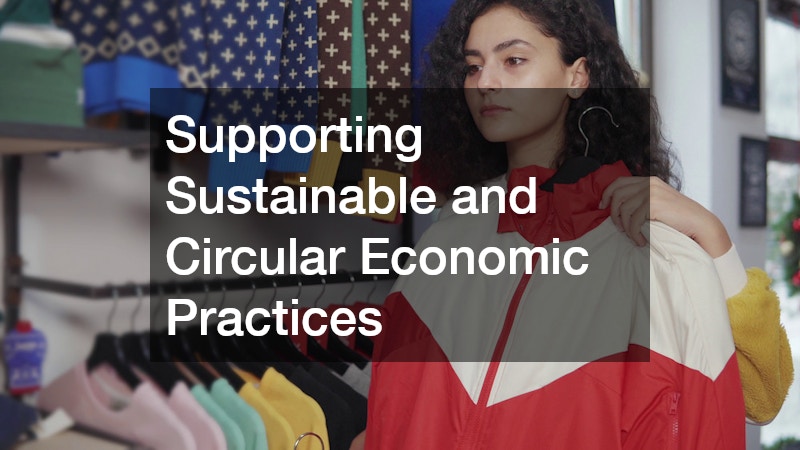
Entrepreneurs who sell second hand clothes from home play a direct role in reducing textile waste and promoting sustainable fashion practices. Operating from a residential space minimizes overhead while allowing sellers to curate collections that appeal to environmentally conscious consumers.
This approach resonates with a growing segment of the population that values ethical consumption. Home-based sellers often provide transparency about sourcing and condition, fostering informed purchasing decisions. These practices challenge fast-consumption models and encourage longer product lifecycles. Sustainability extends beyond resale. Home-based businesses frequently adopt energy-efficient practices, reduce commuting emissions, and rely on local supply chains. These choices collectively contribute to lower environmental impact compared to traditional business operations.
The flexibility of a home business also allows owners to align operations with personal values. Many choose suppliers, partners, and processes that reflect commitments to sustainability, further embedding responsible practices into everyday work. As consumers increasingly support businesses that prioritize environmental responsibility, home-based models are well-positioned to lead this shift. Their adaptability and values-driven operations demonstrate how work can evolve to support both economic and environmental goals.

Encouraging Creative Independence and Asset Monetization
Creative professionals are finding new opportunities through the home business model, particularly when it comes to monetizing skills and assets that might otherwise remain underutilized. Working from home provides a low-risk environment to explore creative ventures and build audiences over time. Design-focused entrepreneurs, for example, can develop custom sign designs from home studios, serving local businesses, events, and organizations. This setup allows for experimentation with styles, materials, and techniques without the pressure of maintaining a retail storefront.
Artists and collectors also benefit from this flexibility. Learning how to sell an art collection from home enables individuals to research markets, connect with buyers, and manage transactions at their own pace. This approach supports thoughtful decision-making and preserves the personal connection many have with their creative assets. Creative independence fosters innovation. Without rigid corporate guidelines, home-based creators can respond quickly to trends, client feedback, and personal inspiration. This responsiveness often leads to unique offerings that stand out in competitive markets.
The ability to monetize creativity through a home business also reshapes how people view their talents. Skills once considered hobbies can become viable income streams, expanding definitions of professional success and encouraging lifelong creative development.
Transforming Service Delivery and Trust-Based Relationships
Service-oriented home businesses are changing how people access expertise and build professional relationships. Operating from home often leads to closer client interactions and a stronger emphasis on communication and reliability. Without the formality of large offices or corporate layers, service providers are often more approachable, creating an environment where clients feel heard and supported throughout the process.
Specialized evaluation services, such as coin appraisal services, can be coordinated from home offices, with appointments and consultations managed efficiently. This setup allows professionals to focus on accuracy, education, and client understanding rather than administrative complexity. Clients benefit from more detailed explanations, transparent processes, and a pace that encourages informed decision-making rather than rushed transactions.
Similarly, hands-on services like mobile pet grooming services demonstrate how home-based operations can bring convenience directly to clients. By eliminating the need for fixed locations, service providers can meet customers where they are, improving accessibility and comfort. This approach is especially valuable for clients who prioritize convenience, reduced stress, or personalized attention for their pets.
Relationship-building is central to these models. Home-based service providers rely heavily on reputation, referrals, and repeat business. This dynamic encourages high standards of professionalism and responsiveness, as each interaction directly impacts future opportunities. Clear communication, follow-through, and consistency become essential components of daily operations rather than optional extras.
Redefining Value and Expertise in Modern Markets
The home business model is reshaping how value and expertise are perceived in modern markets. Consumers are increasingly willing to engage with independent operators who demonstrate knowledge, clarity, and professionalism, regardless of physical location.
This shift is evident in sectors involving high-value transactions. Individuals seeking guidance from the best gold buyers often prioritize clear communication, fair evaluation processes, and educational support. Home-based operators who meet these expectations can compete effectively with larger organizations. The emphasis on expertise over scale allows smaller businesses to thrive. Home-based entrepreneurs can invest deeply in their fields, staying informed and responsive to market changes. This focus builds credibility and supports sustainable growth.
As more people experience positive outcomes working with home-based professionals, perceptions continue to evolve. The home business is increasingly recognized as a legitimate, capable, and forward-looking model for delivering value. In redefining where and how work happens, home-based entrepreneurship is influencing not only individual careers but also broader economic and cultural norms. The continued growth of this model suggests that the future of work will be shaped as much by living rooms and home offices as by traditional workplaces.
