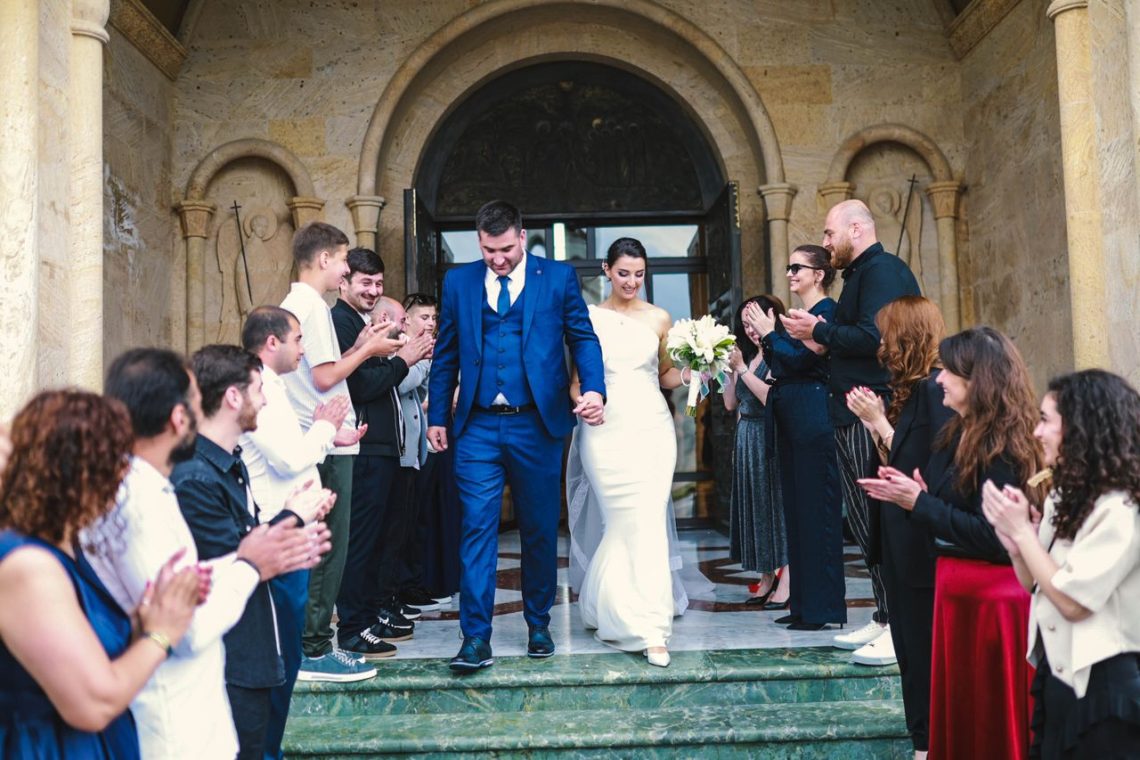
Key Takeaways
- Decode the dress code printed on the invitation before shopping, since terms like black tie, cocktail, and semi-formal each carry specific expectations.
- Match your outfit to the venue, time of day, and season rather than defaulting to one go-to look for every celebration.
- Avoid white, ivory, cream, and anything that upstages the couple, including overly flashy accessories or attention-grabbing prints.
- Set a realistic budget based on your relationship to the couple, your travel costs, and whether you are attending solo or with a plus-one.
- Lean on the registry whenever possible because it reflects what the couple actually wants and simplifies decision-making.
- Cash, checks, and digital transfers are increasingly welcomed and often preferred, especially for couples who already live together.
- Send your present on time, include a handwritten note, and follow up promptly if anything arrives late or damaged.
Why Guest Etiquette Still Matters in Modern Weddings
Weddings have changed dramatically over the past decade. Backyard ceremonies, destination elopements, courthouse celebrations, and multi-day resort events now sit alongside the traditional church-and-ballroom template. With so many formats, it can feel like the old rules have evaporated. They have not. They have simply bent to fit new shapes.
Being a thoughtful guest is one of the best gifts you can bring. That means showing up dressed appropriately, bringing something meaningful, and behaving in a way that supports the couple instead of competing with them. The details matter more than most people realize, and small missteps can linger in wedding album memories long after the cake is cut.
This guide walks you through the entire guest experience step by step, from reading the invitation to writing the thank-you response. Treat it as a checklist you can return to every time an envelope with calligraphy lands in your mailbox.
How to Decode the Dress Code on the Invitation
The dress code is usually printed in the lower corner of the invitation or on an enclosed details card. If you see nothing at all, assume semi-formal and dress up rather than down. When in doubt, check the wedding website, where couples often clarify expectations with photos or Pinterest boards.
Here is a quick decoder for the terms you are most likely to encounter:
- White tie: Floor-length gowns and tailcoats with white bow ties. Rare, but still used for ultra-formal affairs.
- Black tie: Tuxedos and long gowns or very dressy cocktail dresses in dark, elegant fabrics.
- Black tie optional: Tuxedos welcome, but a dark suit and formal dress are acceptable too.
- Cocktail: Suits and knee-length or midi dresses in richer fabrics and colors.
- Semi-formal: A step down from cocktail, think a nice dress or a sport coat with dress pants.
- Festive or themed: Follow the couple’s lead and embrace the fun without going into costume.
If the couple requests something unusual, like garden party attire or all-white guest attire for a milestone anniversary celebration, take them at their word. Those requests are usually tied to a specific vision and skipping the theme makes you stand out in photos for the wrong reasons.
What to Do When the Invitation Says Nothing
A blank invitation is not a license to wear whatever you want. Start with the venue and time. A six o’clock reception at a historic hotel calls for far more polish than a two o’clock lunch at a vineyard. Ask another guest or a member of the wedding party if you are truly stuck. Nobody minds the question, and most people appreciate guests who put in the effort.
Dressing for the Venue, Season, and Time of Day

A heavy velvet suit at a July beach wedding will leave you miserable. A thin silk slip dress in a drafty October barn will too. Climate and setting should shape your choices just as much as the dress code. Think about walking surfaces, lighting, and whether the ceremony is outdoors.
Stilettos sink into grass. Open-toed sandals get chilly after sunset. Linen wrinkles the moment you sit down. These are small details, but they decide whether you enjoy the night or spend it adjusting your outfit. Bring a wrap, a backup pair of flats, or a compact umbrella if conditions could change.
Seasonal palettes also help you look intentional rather than random. Deeper jewel tones and warm neutrals feel right in fall and winter. Pastels, soft florals, and lighter fabrics suit spring and summer. For couples who want extra inspiration on coordinating looks for themselves and their guests, resources on stylish wedding planning often include seasonal mood boards worth studying.
Colors and Styles to Avoid as a Guest
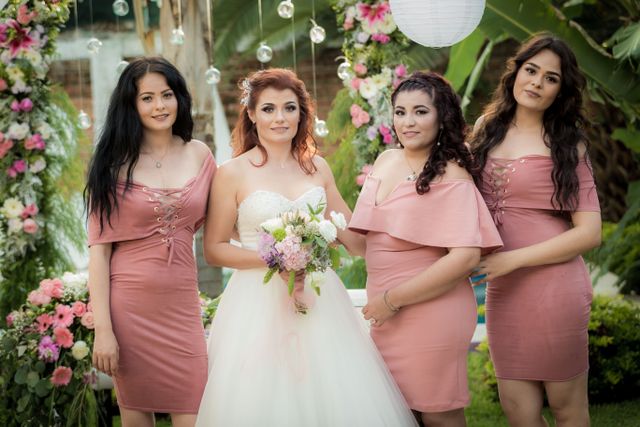
The single most important rule still stands. Do not wear white, ivory, cream, champagne, or anything that reads as bridal in photos. Even a white blouse with a colored skirt can look confusing in candid shots. The only exception is when the couple specifically requests it.
Beyond white, there are a handful of other choices that tend to backfire. Keep this short list in mind before you leave the house:
- Sequined gowns that steal the spotlight in low light
- Prints or graphics with loud slogans or logos
- Red carpet level cleavage or extreme cutouts
- The exact color the bridesmaids are wearing
- Anything you have not tested by sitting, bending, and walking in
Trends come and go, but respecting the couple’s day never goes out of style. If you are unsure about a particular dress or suit, text a photo to someone whose judgment you trust and ask them to be honest.
Setting a Realistic Budget for the Present
Money conversations around weddings make people anxious, so let us be practical. Your budget should reflect three things: your relationship to the couple, your financial situation, and your other costs for attending. A destination wedding with flights and three nights at a hotel changes the math significantly.
According to Zola, the average amount guests spend on a wedding present now sits around $130. That figure is a helpful anchor, not a rule. Close friends and family members typically spend more. Coworkers and distant acquaintances usually spend less. Nobody should go into debt to celebrate someone else’s marriage.
Here is a rough framework many guests find useful:
- Coworker or acquaintance: $75 to $125
- Friend or relative: $125 to $200
- Close friend or immediate family: $200 and up
- Plus-one attending with you: add roughly half of your base amount
- Destination wedding: factor travel costs into your total contribution
Adjust these ranges based on your city, your income, and what feels genuine. A heartfelt handwritten card paired with a modest present will always outshine an expensive item chosen without thought.
Navigating Registries, Cash, and Group Gifts
The registry exists for a reason. The couple has already thought carefully about what they need, want, and have room for. Buying off the registry is almost always the safest path, and it signals that you listened. If you want to go off-registry, make sure you know the couple well enough to pick something they will actually use.
Cash has become a dominant choice in recent years. According to the Wedding Gift Calculator, about forty percent of guests chose cash in 2024, and the share continues to climb each year. That shift reflects how many couples already share a household before marriage and simply need help funding a honeymoon, a down payment, or future plans.
Group presents are another smart option, especially for larger registry items or experiences. Teaming up with coworkers or college friends lets you contribute to something substantial without stretching anyone’s budget. If you are hunting for inspiration beyond the registry, lists of thoughtful gift ideas can spark ideas that feel personal while still being practical.
When Cash Is Actually the Better Choice
Some couples explicitly say they prefer monetary contributions. Honeymoon funds, home funds, and charity funds have become standard registry categories. When a couple makes this preference known, honor it. Showing up with a wrapped blender when they asked for help funding their trip to Portugal creates the opposite of the gratitude you were hoping to inspire.
Wedding Gift Etiquette for Guests Across Different Relationships
Not every guest sits in the same position. Your boss’s daughter, your college roommate, and your cousin all deserve thoughtful gestures, but the thoughtfulness looks different in each case. This is where wedding gift etiquette for guests becomes less about dollar amounts and more about reading the room.
For professional connections, keep it tasteful and slightly reserved. A registry item in the mid range works well. For close friends, you have room to be creative and personal. Consider pairing a registry purchase with something sentimental, like a framed photo from a shared trip or a custom item that references an inside joke.
Family relationships bring their own expectations. In many families, there are unspoken traditions around what parents, siblings, and grandparents contribute. If you are unsure, quietly ask a trusted relative or a parent who tends to know these things. A quick phone call saves you from accidentally overshooting or falling short of what everyone else is doing.
Second marriages, vow renewals, and later-in-life weddings call for a lighter touch. The couple likely has an established home and does not need the usual starter kit. An experience, a bottle of something special, or a contribution to a cause they care about tends to land better than housewares.
Attending as a Plus-One You Barely Know
If you were invited as someone’s plus-one and have never met the couple, your date usually handles the present. You can offer to split the cost or contribute toward the card, but you are not expected to arrive with a separate contribution of your own. Do introduce yourself warmly to the couple at some point during the reception, even if only briefly.
Timing: When to Send, Bring, or Deliver Your Present
Tradition once gave guests a full year after the wedding to send something. That window has shrunk considerably. Most etiquette experts now suggest sending within two to three months, and ideally before the wedding itself if you are shipping from a registry.
Bringing a wrapped box to the reception is no longer the norm. Many venues have nowhere secure to store presents, and the couple then has to haul everything home at the end of a long night. Shipping directly to the address listed on the registry is cleaner for everyone. Cards with checks or cash are the exception and can be dropped into the designated card box at the reception.
If you miss the window, send something anyway. A late arrival with a sincere note is always better than skipping the gesture entirely. Life happens, and most couples understand delays far more than silence.
Handling Tricky Situations with Grace
Weddings produce a surprising number of awkward moments, and knowing how to handle them keeps you on the right side of the couple’s memory. A few scenarios come up again and again:
- You cannot attend: Send a present anyway if you are close to the couple, along with a warm note explaining your absence.
- The wedding is postponed: Hold your present and send it closer to the new date, unless it has already shipped.
- The couple splits before the wedding: Reach out privately, offer support, and do not ask about the present you sent.
- You are invited to multiple events: You are only obligated to bring something to the shower and the wedding, not every pre-wedding gathering.
- Your present arrives broken: Contact the retailer for a replacement before telling the couple, so you can resolve it quietly.
The common thread is discretion. When something goes sideways, handle it without creating extra work or emotional labor for the people getting married.
What to Do About Thank-You Notes You Never Receive
Couples traditionally have up to three months to send thank-you notes, though many take longer given how much they are juggling. If six months pass and you want to confirm your present arrived, a gentle message is reasonable. Frame it around the item itself rather than the missing note. Something like asking whether the package made it to the right address keeps things warm rather than accusatory.
Behavior at the Reception That Reflects Well on You
The way you conduct yourself during the celebration is part of the overall picture of gifting and weddings that often gets overlooked. Arriving on time, silencing your phone during the ceremony, and avoiding the temptation to post photos before the couple does all signal respect. The couple has usually hired a photographer for a reason, and amateur shots from the aisle can ruin professional ones.
Drink responsibly, stay off the dance floor if you have had too much, and remember that speeches are for the people who were asked to give them. Surprise toasts from the audience rarely land the way the person giving them imagines. Save your heartfelt words for the card or a quiet moment with the couple later.
Finally, thank the hosts before you leave. If the couple’s parents contributed to the event, a brief word of appreciation goes a long way. These small courtesies are remembered long after the bar closes.
Conclusion
Being a good wedding guest is not complicated, but it does require attention. The dress code, the present, the timing, and your behavior at the reception all work together to show the couple you took their day seriously. None of it demands perfection. It demands effort and a bit of forethought.
The couples getting married today have more variety in their celebrations than any generation before them, which means guests have to stay flexible too. Read the invitation carefully, respect the requests the couple has made, and lean on the registry when you are unsure. When the details are handled, you free yourself to actually enjoy the night rather than worrying about whether you got it right.
Keep this guide handy for the next envelope that arrives. Weddings should be joyful for everyone in the room, and the guests who show up prepared are the ones who contribute most to that atmosphere. Your presence, done thoughtfully, becomes part of the memory the couple carries forward.