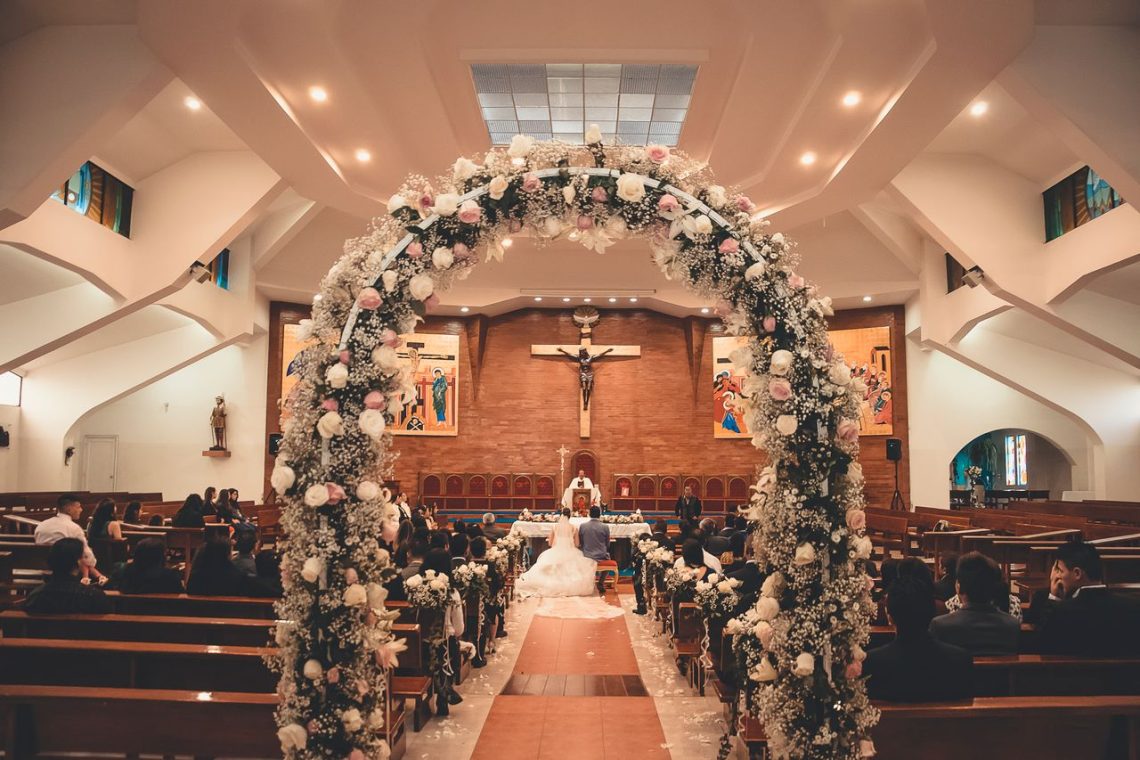
Weddings are one of the few life events where personal love stories collide with centuries of inherited tradition. A couple might think they are simply picking a venue, a playlist, and a cake flavor, yet every small decision tends to echo something their grandparents, great-grandparents, or distant ancestors once did. The white dress, the breaking of a glass, the tea ceremony, the henna night, the father-daughter dance — each ritual carries the fingerprints of a particular community.
What makes modern weddings fascinating is how fluid these customs have become. Globalization, interfaith marriages, migration, and social media have all reshaped the ceremony playbook. Couples now blend rituals from two or three heritages in a single afternoon, sometimes introducing guests to traditions they have never witnessed before.
Understanding why certain customs exist helps everyone involved — the couple, the families, and the guests — participate with more meaning. Instead of treating rituals as decorative extras, we can see them as compressed history: symbols of what communities have valued across generations, from fertility and prosperity to protection and unity.
Why Heritage Still Anchors Modern Ceremonies
Even in an era of elopements and courthouse weddings, heritage remains one of the strongest invisible forces shaping how couples marry. Cultural background influences everything from the color palette to the order of events, the music, the food served, and the role each family member plays. These choices often trace back to religious doctrine, agricultural calendars, dynastic politics, or regional superstitions that predate the couple by centuries.
Researchers studying marriage trends have noticed a steady rise in ceremonies that intentionally spotlight ancestry. According to The Knot Worldwide, roughly a third of couples now weave religious, ethnic, or cultural touches into their wedding day, a signal that personalized, heritage-forward ceremonies are becoming the new norm rather than the exception.
This shift reflects a broader cultural craving for authenticity. In a world of standardized experiences, drawing from family history offers couples a way to make their day feel irreplaceable. It also gives older relatives a meaningful role, bridging generations through ritual rather than small talk.
How Attire Tells a Centuries-Old Story
Wedding attire is perhaps the most visible expression of cultural identity. The Western white gown, popularized by Queen Victoria in 1840, was once a bold statement rather than a default. Before that, brides across Europe simply wore their best dress, often in blue, green, or even black depending on the region. Victoria’s choice set off a trend that eventually became global, but it never fully replaced local traditions.
In many Asian cultures, red remains the dominant bridal color because it symbolizes luck, joy, and prosperity. Indian brides often wear red or pink lehengas embroidered with gold thread. Chinese brides may change into a red qipao for the tea ceremony. Nigerian brides wear coordinated aso-oke fabrics that signal family lineage and regional pride.
Common attire elements influenced by heritage include:
- Specific colors tied to luck, mourning, or purity in that culture
- Heirloom jewelry passed down through generations of brides
- Hand-embroidered motifs representing fertility or protection
- Head coverings such as veils, dupattas, mantillas, or crowns
- Ceremonial footwear or jewelry worn only during specific rituals
The Quiet Return of Ancestral Fabrics
A growing number of couples are commissioning garments from artisans in their ancestral regions rather than buying off-the-rack. Weavers in Oaxaca, tailors in Lagos, and embroiderers in Lucknow have reported upticks in diaspora clients seeking authentic pieces. This shift supports traditional crafts while giving brides and grooms a tangible connection to their roots, often stitched by hands trained in techniques that have survived for hundreds of years.
What Shapes the Rituals of the Ceremony Itself
The structure of the ceremony — who speaks, what is exchanged, how vows are sealed — is almost entirely dictated by cultural and religious heritage. Jewish weddings end with the groom breaking a glass, a gesture often interpreted as remembering the destruction of the Temple while also symbolizing the fragility of life. Hindu ceremonies include the saptapadi, seven steps around a sacred fire, each representing a promise the couple makes to one another.
In Greek Orthodox weddings, couples wear crowns connected by a ribbon and walk around the altar three times. Korean paebaek ceremonies involve tossing chestnuts and dates that the bride and groom catch in a cloth, predicting the number of children they will have. Scottish couples may participate in handfasting, where their hands are tied with a cord — the likely origin of the phrase “tying the knot.”
When Two Traditions Share One Altar
Interfaith and intercultural weddings have pushed officiants and planners to become creative translators. A couple might begin with a Catholic exchange of vows and conclude with a Hindu garland exchange, pausing in between for a bilingual blessing. The key, according to most planners, is explaining each ritual to guests through printed programs or brief narrations so the symbolism is not lost on those unfamiliar with it.
How Arts & Culture Influence the Celebration
Music, dance, food, and visual design are where the celebration side of weddings truly comes alive, and these elements are almost always rooted in Arts & Culture that stretch far beyond the couple’s personal taste. A Punjabi baraat with a dhol drummer, a Jewish hora with chairs lifted overhead, a Brazilian samba line, or a Filipino money dance — each transforms a reception into a communal expression of identity.
Food choices often carry equally deep meaning. Italian weddings may feature confetti almonds representing the bittersweet nature of marriage. Japanese receptions might include sake-sharing rituals. Southern American weddings often spotlight groom’s cakes with family-specific decorations.
Celebration elements commonly shaped by heritage include:
- Traditional instruments performed live during key moments
- Folk dances that invite all guests to participate
- Regional dishes served in a specific ceremonial order
- Blessings or toasts offered in an ancestral language
- Decorative motifs drawn from textiles, pottery, or religious iconography
These sensory details do more than entertain. They teach guests about the couple’s background in a way no program insert ever could, turning the reception into something closer to a living museum of family history.
How Gift-Giving Traditions Vary Across Cultures
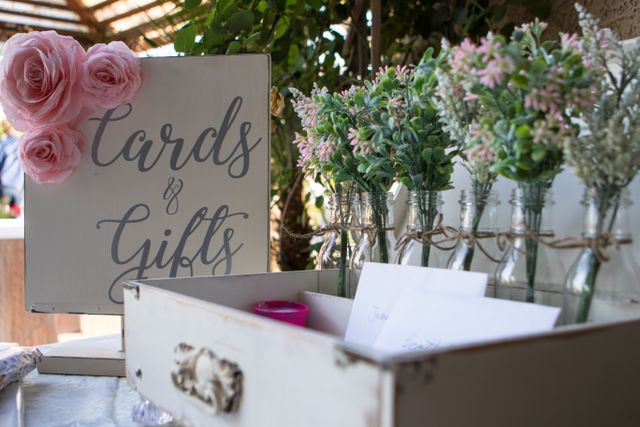
Few aspects of weddings reveal cultural difference more clearly than gifts. In many Western countries, registries make the process transparent and practical. In East Asian weddings, red envelopes filled with cash are the standard. In parts of Eastern Europe, guests may bring symbolic items such as bread and salt. In Jewish tradition, gifts in multiples of 18 are considered lucky because the number corresponds to the Hebrew word for “life.”
Cash has been gaining ground across nearly every cultural context. According to Wedding Gift Calculator, about 40 percent of guests chose to give cash in 2024, and that share continues to climb. The Knot’s 2024 Guest Study similarly found that guests spent an average of $150 per wedding gift, with that figure rising for close friends and family and dropping slightly for casual acquaintances, as reported by The Knot.
For guests navigating unfamiliar customs, learning the basics of wedding gift etiquette for guests can prevent awkward missteps — knowing whether cash is expected, whether a registry exists, and how much to spend relative to your relationship with the couple. Many couples now include guidance on invitations or wedding websites, and understanding the dress code and gift expectations across different traditions helps guests show up with confidence rather than confusion.
How Modern Couples Are Rewriting the Rules
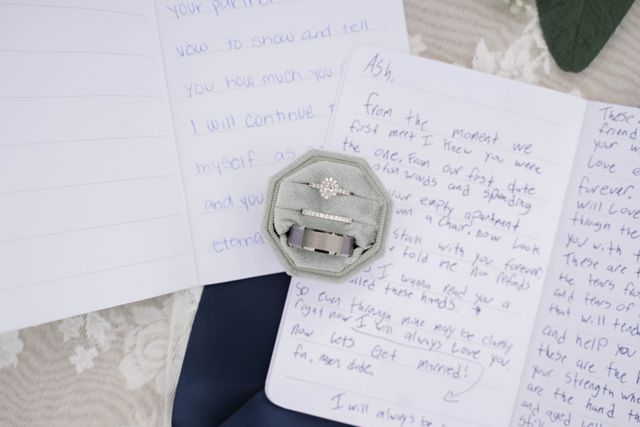
Today’s couples are not simply inheriting traditions; they are editing them. Some drop rituals that feel outdated, such as the father “giving away” the bride. Others revive customs their parents abandoned a generation ago, often after trips to ancestral homelands or conversations with grandparents.
Social media has accelerated this blending. A bride in Toronto might see a Moroccan henna night on TikTok and incorporate elements into her own pre-wedding events. A groom in London might adopt a Korean paebaek because his partner’s family suggested it. The result is a generation of weddings that feel both deeply personal and surprisingly global.
Ways modern couples are reshaping tradition include:
- Writing personal vows alongside traditional religious ones
- Hosting multi-day celebrations that honor both families’ customs
- Replacing gendered roles with symmetrical ones
- Incorporating land acknowledgments or heritage tributes
- Streaming ceremonies so overseas relatives can participate
Flexibility has also extended to guest expectations. Research from Zola found that an overwhelming 92 percent of couples consider it perfectly acceptable to decline a wedding invitation, theclearest sign yet that the old rulebook, with its guilt-laden RSVPs and obligatory attendance, is quietly being retired.
This permission to opt out works in both directions. Couples feel freer to host smaller, more intentional gatherings, and guests feel freer to prioritize their own circumstances without damaging relationships. The ceremony becomes something chosen rather than performed, which paradoxically makes the traditions inside it feel more meaningful.
The Rise of the Micro-Heritage Wedding
Smaller guest counts have given couples room to lean harder into specific rituals. With forty people in a backyard instead of three hundred in a ballroom, there is time to explain the symbolism behind a grandmother’s embroidered shawl, to let every guest participate in a circle dance, or to serve a nine-course meal that walks through a region’s culinary history. Scale reduction has, somewhat unexpectedly, deepened cultural expression rather than diluting it.
How Family Roles Shift Across Traditions
Who does what at a wedding is rarely accidental. In South Asian ceremonies, maternal uncles often hold ceremonial importance, escorting the bride or presenting gifts. In many African traditions, elders perform libation rituals that call on ancestors to witness the union. Latin American weddings frequently include padrinos and madrinas, sponsors who finance or bless specific parts of the ceremony, from the lasso to the arras coins.
These roles carry weight because they distribute responsibility across the family rather than concentrating it on the couple. A wedding becomes something the whole community builds together, with each person contributing a specific thread.
Family roles commonly defined by heritage include:
- Elders who offer formal blessings or ancestral invocations
- Siblings tasked with playful rituals like hiding the groom’s shoes
- Godparents or sponsors who underwrite ceremonial elements
- Cousins and friends who perform choreographed dances or songs
- Parents whose presence activates specific legal or religious moments
When couples come from different backgrounds, negotiating these roles early tends to prevent hurt feelings later. A mother who expected to light a unity candle may feel displaced if the ceremony pivots to a tradition she was not consulted about, while a father eager to perform a specific blessing may need advance notice to prepare.
How Venues and Settings Reflect Cultural Memory
Where a wedding happens often says as much as what happens inside it. Temples, churches, mosques, synagogues, and gurdwaras anchor ceremonies in sacred geography, but outdoor settings carry their own cultural weight. Vineyards evoke Mediterranean harvest traditions. Beaches echo island and coastal customs. Garden weddings trace back to pastoral European ideals of fertility and renewal.
Couples reclaiming heritage sometimes choose locations with ancestral significance: a village their grandparents left, a city where their parents first met, or a landscape that appears in family stories. Destination weddings have become less about escapism and more about return, with travel itineraries built around visiting relatives, touring historic sites, or participating in local festivals that coincide with the celebration.
Even domestic venues carry cultural layering. A barn wedding in the American Midwest draws from agrarian Protestant traditions. A courtyard wedding in Andalusia borrows from Moorish architectural heritage. The setting becomes a silent participant, shaping light, sound, and mood in ways that align with the rituals performed within it.
Conclusion
Weddings endure because they do something no other event quite manages: they compress centuries of human experience into a single afternoon. Every garment, dish, song, and spoken blessing carries forward a conversation that began long before the couple was born and will continue long after the last guest leaves. Cultural background is not a backdrop to this conversation — it is the conversation itself, shaping what gets said, who says it, and how the community listens.
What distinguishes modern ceremonies is the agency couples now exercise over this inheritance. They can keep, adapt, blend, or retire traditions based on what feels honest to their relationship and their families. That freedom comes with responsibility, though, because ritual works best when its meaning is understood rather than assumed. The couples who do this well tend to ask questions, invite elders into the planning, and treat guests as participants rather than spectators.
The result is a generation of weddings that are simultaneously more personal and more rooted. They honor where people come from while making room for where they are going, proving that tradition and innovation are not opposites but partners in the oldest celebration humans have ever staged.