
If you have visited a small town recently and noticed a packed calendar of concerts, youth programs, and lively weekend hangouts, you are not imagining things. Communities that once relied solely on manufacturing or agriculture are now investing heavily in culture and recreation to keep residents happy and attract new families. For anyone considering a move, a weekend trip, or simply wondering why their hometown feels different lately, understanding this shift can help you make smarter decisions about where to live, invest, or spend your leisure time. This article breaks down the specific ways small towns are transforming into vibrant destinations worth a closer look.
Downtown Revitalization Through Food and Gathering Spaces
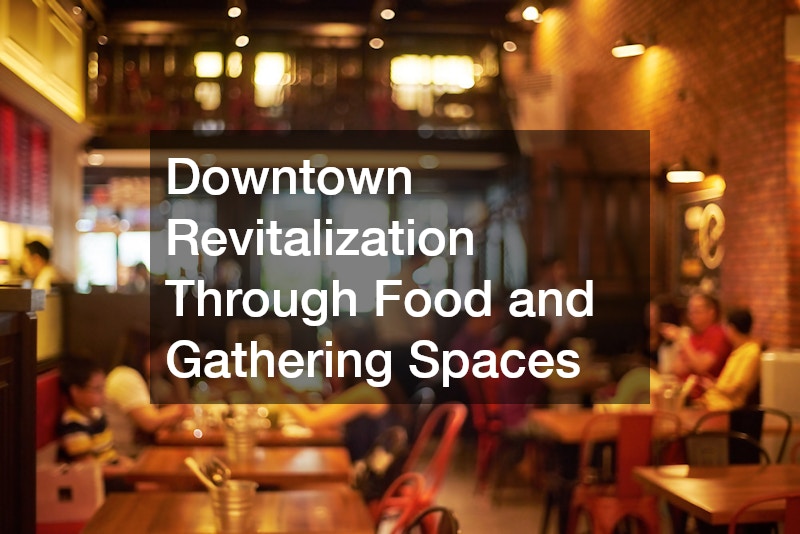
Small towns across the country are pouring resources into their downtown cores, and much of that energy centers on food and casual gathering spots. A thriving local restaurant scene does more than feed people; it gives a town an identity and a reason for visitors to linger longer than a quick pass-through. A café with live acoustic sets on weekends or a brewery that hosts trivia nights can turn a sleepy Main Street into a genuine destination.
Town councils have realized that empty storefronts hurt property values and community morale, so many are offering incentives to independent owners willing to open new spots. These packages often include reduced permit fees, low-interest micro-loans of $10,000 to $50,000, or property tax abatements lasting three to five years. Some municipalities go further, waiving liquor license application costs for the first year to lower the barrier for bars and music venues.
The payoff shows up in foot traffic and tax revenue alike. A single successful restaurant can anchor a block, drawing boutiques, bookstores, and galleries that feed off the same evening crowds. Planners increasingly treat these food and gathering hubs as the seed investment for broader revitalization, betting that a lively dinner rush tonight becomes a busier, more valuable downtown next year.
These efforts tend to snowball once a few anchor businesses succeed. A well-placed brewery, live-music venue, or farm-to-table restaurant often becomes the reason people drive into town at all, and that first wave of visitors creates demand for everything around it. Boutiques, coffee shops, and galleries start filling in the gaps between those anchors, since they can now count on steady foot traffic rather than hoping for occasional passersby.
Local governments notice the shift too, and many respond with facade grants, reduced permitting fees, or outdoor seating allowances that make it easier for new businesses to open nearby. In towns of a few thousand residents, even two or three additional storefronts filling long-vacant buildings can visibly change how the downtown feels. What starts as a handful of scattered successes gradually turns into a walkable strip with its own identity, and the downtown starts to feel like a genuine destination rather than a place people just drive through.
Waterfront Access and Recreational Boating Investments
Towns fortunate enough to sit along a lake, river, or coastline are recognizing that water access is an underused asset. Many have upgraded aging boat docks to accommodate more visitors, added lighting for evening use, and created public launch points that were previously reserved for private marinas. These improvements make it easier for residents to enjoy the water without needing to belong to an exclusive club or own waterfront property themselves.
The ripple effect extends to local commerce as well. Increased interest in water recreation has boosted boat sales at nearby dealerships, since more residents are motivated to buy a vessel when convenient, well maintained access points exist nearby.
- Public boat docks with extended hours for evening fishing or sunset cruises
- Seasonal slip rentals priced for casual, non-member use
- Safety upgrades including better lighting and signage
- Partnerships with local dealerships offering boat sales financing events
Golf Experiences That Do Not Require Country Club Membership

Golf has traditionally been associated with exclusive country clubs, but small towns are working to make the sport more accessible to everyday residents. Some municipalities have partnered with vendors offering mobile golf simulation setups that travel to fairs, schools, and community centers, letting people try the sport without owning equipment or paying green fees. This lowers the barrier to entry significantly and introduces golf to families who might never have considered it otherwise.
At the same time, a growing number of towns are supporting public courses that rival what you would expect from private facilities. Many have expanded beginner clinics and low-cost lesson packages led by local instructors, giving casual players a chance to build real skills and confidence without the membership fees typically required at country clubs elsewhere.
Youth Development Through Structured Arts Instruction
One of the clearest signs of a town investing in its future is the strength of its youth programming, and a well funded music program is often at the center of that effort. School districts and nonprofit organizations are increasingly collaborating to provide instruments, private lessons, and performance opportunities to students who might not otherwise have access. Local businesses frequently sponsor these initiatives because they recognize that cultural investment keeps families rooted in the community rather than moving to bigger cities for opportunities.
The benefits extend well beyond the students themselves. Public recitals and school concerts have become genuine community events, drawing grandparents, neighbors, and local officials together in ways that few other activities can replicate.
Youth Sports Beyond the Traditional Baseball Diamond

While baseball and football remain popular, small towns are diversifying their athletic offerings to keep pace with changing interests. Facilities offering local hockey lessons have become surprisingly common even in regions without a strong historical connection to the sport, often housed in multi purpose rinks that convert for other uses during warmer months. Some towns have even started using custom golf carts to shuttle young athletes and their gear between fields, rinks, and parking areas on busy game days. This diversification gives kids more ways to stay active and helps towns compete for families who prioritize youth sports access when choosing where to settle.
Coaches and instructors in these newer programs tend to be enthusiastic recruits from nearby cities, bringing fresh energy and updated training methods. That infusion of expertise often raises the overall quality of youth athletics across the board, not just in the new sport being introduced.
Adult Enrichment and Lifelong Learning Opportunities
Small towns are not only focused on children; many are expanding what adults can do in their free time as well. Community centers and local colleges now offer classes ranging from pottery and photography to financial literacy and small business development. Some towns partner with regional universities to bring in instructors for evening or weekend sessions, making higher-level instruction accessible without requiring a long commute.
Costs are often kept low or subsidized through grants, since the goal is participation rather than profit. A six-week pottery class might run $60 to $100, while business development workshops are sometimes free thanks to economic development funding. This affordability lowers the barrier for residents who might otherwise skip enrichment opportunities due to cost.
This kind of programming keeps adults engaged, builds social connections, and gives residents practical skills that can improve their careers or personal lives. For newcomers or retirees relocating to smaller communities, these classes also serve as an easy entry point for meeting neighbors and building a sense of belonging. Over time, that steady stream of engaged, connected adults strengthens the town’s broader civic and economic fabric.
These offerings also serve an economic purpose for the towns themselves. Adults who feel intellectually stimulated and socially connected are far less likely to relocate, which helps stabilize the local tax base and supports long term planning for schools and infrastructure. A community choir, a weekly pottery class, or an adult guitar workshop might seem like small additions, but they signal that a town invests in its residents beyond childhood and retirement years.
This matters most for the “in-between” demographic: working adults in their thirties, forties, and fifties who often get overlooked by municipal programming that skews toward youth sports or senior centers. When these residents have accessible, affordable ways to learn something new, they put down roots, buy homes, and start businesses rather than commuting to or eventually moving toward larger cities for culture and connection.
The dollars involved are often modest compared to the payoff. A recreation department might spend a few thousand dollars annually on instructor stipends for an adult music program, yet retain several households who might otherwise have left for a city with more going on. Multiply that retention across a decade, and the cumulative effect on property tax revenue, school enrollment stability, and local spending becomes substantial.
There’s also a ripple effect on civic participation. Adults who attend a weekly class together are more likely to show up to town hall meetings, volunteer for local events, or support a small business owned by a classmate. That social glue, built one rehearsal or workshop at a time, is difficult to manufacture through marketing alone but easy to erode if programs are cut.
Evening Entertainment Venues That Anchor Community Life

Nightlife in small towns used to mean a quiet diner or an early closing bar, but that has changed dramatically in many places. A well run sports bar and grill has become something of a community living room, hosting trivia nights, watch parties, and fundraisers alongside its regular dinner service. On any given week, the same space might host a high school fundraiser on Monday, a trivia league on Wednesday, and a packed house for Sunday football, each drawing a slightly different crowd through the same doors.
That versatility matters economically as much as socially. Owners who diversify beyond a standard dinner menu, adding craft beer flights, live acoustic sets, or karaoke nights, often report steadier weekday traffic instead of relying solely on weekend crowds. Some towns have seen these venues become the largest private employers of part time and teenage workers, offering shifts that fit around school schedules.
These venues also give residents a reason to stay local on weekends rather than driving to a bigger city for entertainment. A family celebrating a birthday, a group watching the big game, and neighbors catching up over appetizers can all share the same room without friction. That kind of layered use, part restaurant, part gathering hall, part informal town square, is exactly why these spots have become anchors rather than afterthoughts.
Owners of these establishments often report that the busiest nights are not always tied to major sporting events. Local trivia leagues, karaoke nights, and live acoustic performances draw steady crowds and create a sense of familiarity that chain restaurants in bigger cities simply cannot replicate.
A weekly trivia night, for instance, can pack a dining room on a Tuesday when it would otherwise sit half-empty, with regulars forming teams that return week after week and even track standings over an entire season. Karaoke nights tend to skew younger, pulling in twenty- and thirty-somethings who might otherwise drive to a bigger town for nightlife, keeping both their attention and their dollars local.
Live acoustic sets, often booked for a modest fee of a few hundred dollars, let venues showcase homegrown talent while giving musicians a low-pressure stage to build a following. Some owners rotate formats throughout the month—trivia on Tuesdays, open mic on Wednesdays, a local duo on Fridays—so there’s always a reason to show up beyond the food and drink menu.
That variety also spreads risk: if attendance dips for one format, another can pick up the slack, and the overall calendar keeps the venue relevant to different age groups and interests across a single week.
Balancing Growth With Small Town Character
As towns invest in new amenities, leaders face the challenge of growing without losing the charm that made the town appealing in the first place. Zoning decisions, business incentives, and public feedback sessions all play a role in shaping how quickly and in what direction a town develops. Residents who care about their community’s future should attend town hall meetings and stay informed about proposed projects.
Successful towns tend to involve residents early and often in these conversations. This transparency builds trust and ensures that new developments, whether recreational, culinary, or educational, actually reflect what the community wants rather than being imposed from the top down.
Small towns betting on music programs, recreational upgrades, and lively local nightlife are making a calculated investment in their own future, and the results are increasingly visible to anyone paying attention. Whether you are considering relocating, planning a weekend visit, or simply curious about your own hometown’s trajectory, it pays to look closely at how a community is investing in its people. Visit a few of these towns, talk to residents, and see firsthand how these amenities shape daily life before making any major decisions.